
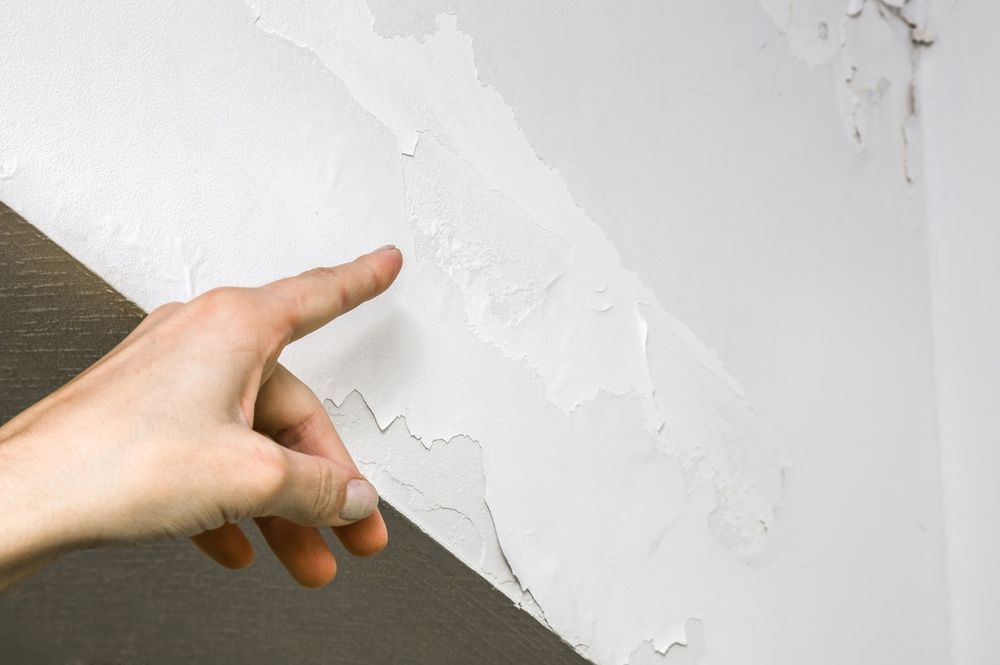
Many homeowners in South Jersey are familiar with how humidity feels, but fewer realize how much it affects the inside of their home over time. Seasonal swings between damp summers and dry winters can lead to subtle but ongoing wear that often gets misdiagnosed as poor workmanship or aging materials. These changes are one of the most overlooked causes of hidden home discomfort and gradual damage.
Understanding how seasonal humidity works locally helps homeowners recognize patterns early and avoid chasing the wrong fixes.
Why Humidity Impacts Homes Differently in South Jersey
South Jersey homes experience wide humidity shifts throughout the year. Summer air brings moisture that seeps indoors, while winter heating systems dry the air dramatically. Homes expand and contract as materials respond to these changes.
Common areas affected include:
- Interior doors that swell in summer and stick, then shrink in winter
- Wood trim that opens small gaps, then closes again months later
- Fasteners loosening slightly as materials move
- Cabinets or built-ins that feel out of alignment without obvious cause
Because these changes happen slowly and cyclically, they’re easy to overlook.
How the Damage Shows Up Over Time
Humidity-related issues rarely appear as a single event. Instead, homeowners notice recurring annoyances:
- Doors that need seasonal adjustment
- Caulk lines that split repeatedly
- Nail pops that appear and disappear
- Flooring that feels tighter or looser depending on the season
In one local case, a homeowner was concerned about a bathroom door that rubbed every summer but worked fine by fall. The issue wasn’t the door itself, but seasonal moisture causing framing movement that repeated each year.
Why These Problems Are Often Misunderstood
Because the symptoms look like installation problems, homeowners may assume something was done incorrectly. Repainting, re-caulking, or trimming doors can help temporarily, but without understanding humidity patterns, the same issues often return.
Humidity-related movement is especially common in:
- Older homes without modern moisture barriers
- Homes with finished basements or crawl spaces
- Rooms above garages where temperature shifts are greater
Without context, homeowners can feel like they’re constantly fixing the same thing.
Practical Steps Homeowners Can Take
Instead of reacting to each symptom, homeowners benefit from stepping back and looking for seasonal patterns.
Helpful steps include:
- Tracking when issues appear during the year
- Noting whether multiple rooms are affected at the same time
- Checking humidity levels indoors during peak seasons
- Getting a professional assessment to confirm whether movement is environmental or structural
Often, small adjustments combined with better moisture control can reduce repeated wear.
Conclusion
Seasonal humidity doesn’t announce itself, but its effects add up quietly. By understanding how South Jersey’s climate influences homes, homeowners can stop guessing and start making informed maintenance decisions.
Awareness helps prevent unnecessary repairs, reduces frustration, and supports long-term comfort. When homeowners understand the rhythm of their home through the seasons, they’re better equipped to care for it confidently.
